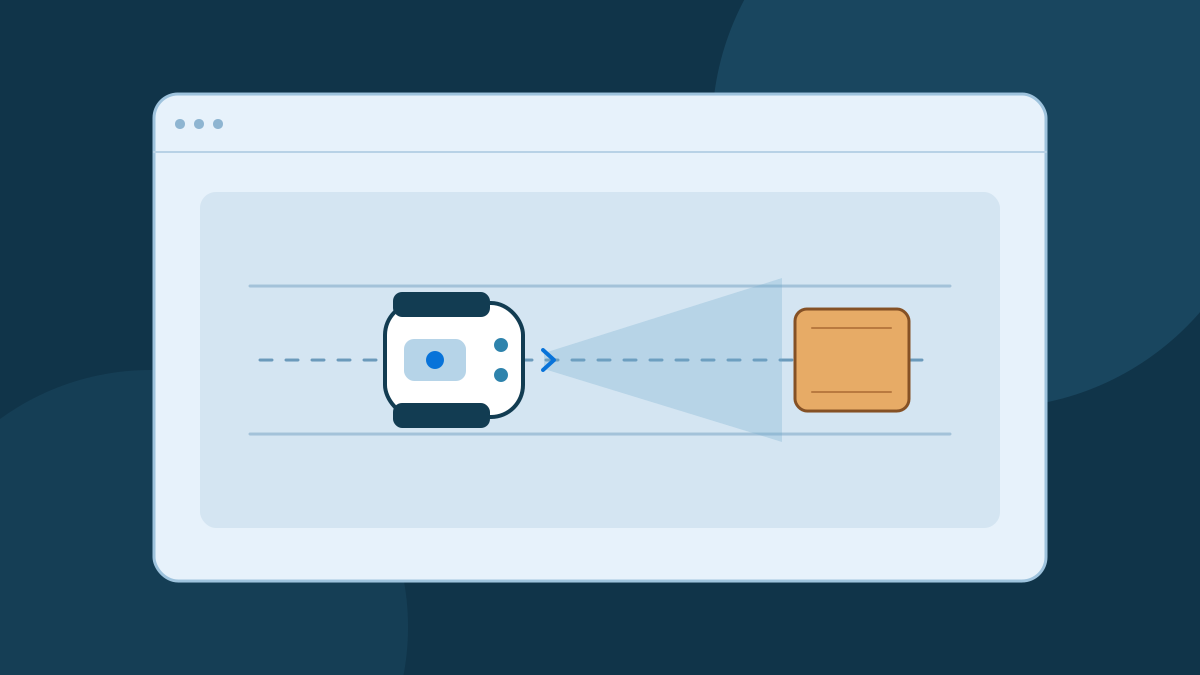
Robotics Basics
Getting Started with Robotics: A Practical Beginner’s Guide
Follow a distance reading through the controller to the wheels. Then use the browser rover to see what a stop and detour look like.
Read the beginner’s guide
Learn how a mobile robot senses and moves, write a simple control rule, and design a simulation test you can repeat.
Follow a distance reading through the controller to the wheels. Then use the browser rover to see what a stop and detour look like.
Read the beginner’s guide3 articles
Learn how a wheeled robot senses, decides, and moves. Observe a scripted rover run, then design a stop test of your own.
Read the article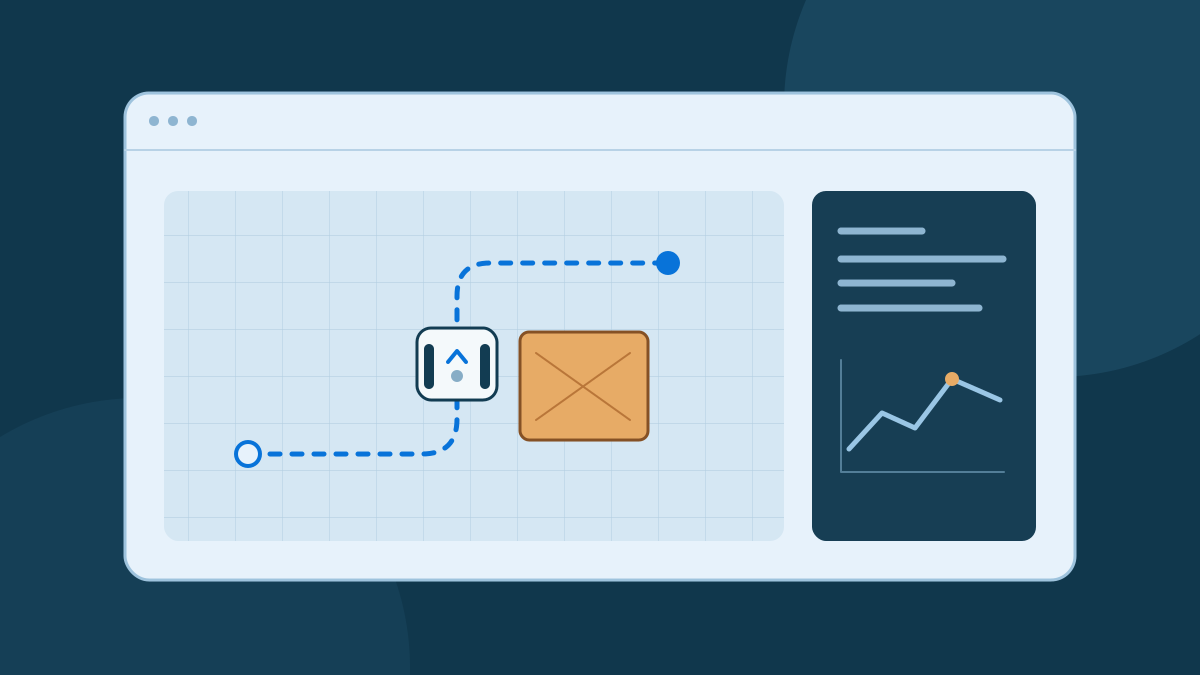
See what a robot simulator models, repeat a stop test with one change at a time, and identify what to verify on hardware.
Read the article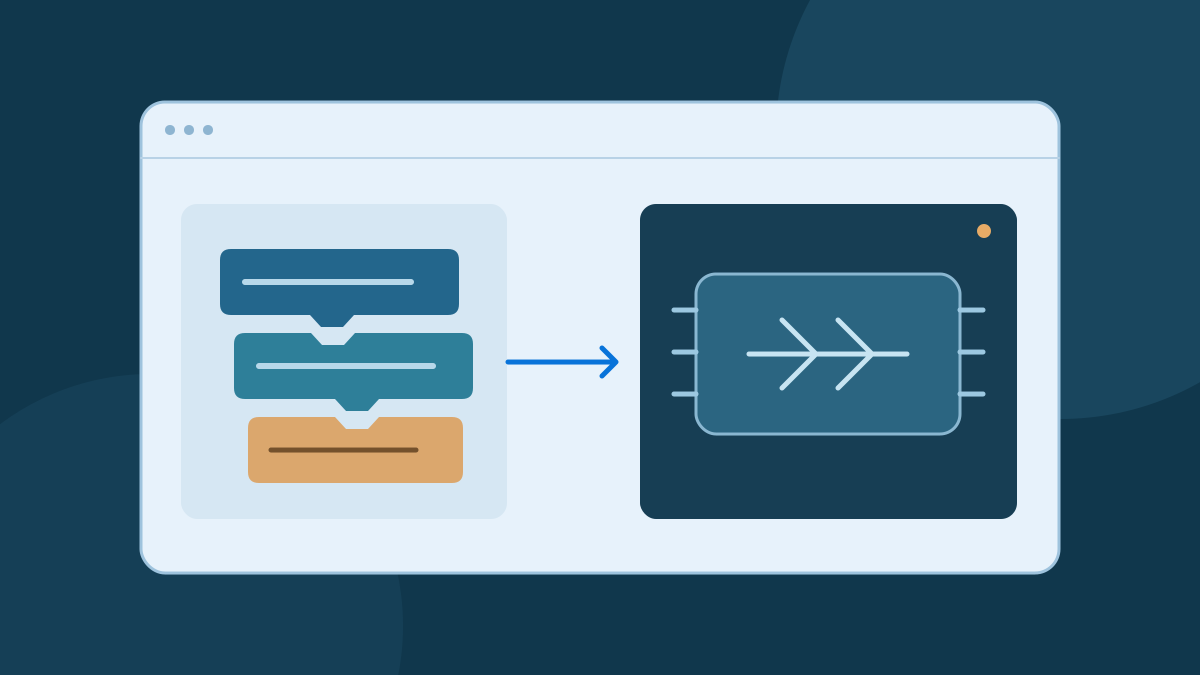
Translate a block-based stop rule into Python, test it with sample readings, and see how a control interface handles motion requests.
Read the articleTry a broader word such as “robot,” “programming,” or “simulation.”
The engineering guide shows how to document inputs and compare expected and observed behavior in a mobile robot scenario.
Read the engineering guideCheck the task, test environment, and definition of success before comparing numbers across studies.
A tool-use result depends on the objects, robot, and task variations tested. See how Google DeepMind describes those conditions in its Gemini Robotics 2.5 announcement.
Stanford’s BEHAVIOR benchmark defines household tasks in simulation. When a study uses a virtual scene, look for details about what it models, such as lighting or friction. Explore the BEHAVIOR benchmark.
Look for the number of attempts, human interventions, timeouts, and recovery behavior. Report those alongside the success rate so a reader can tell what the robot actually completed on its own. See how to evaluate a robot policy.